 AI, ENERGY MANAGEMENT AND SUSTAINABILITY IN PRACTICE
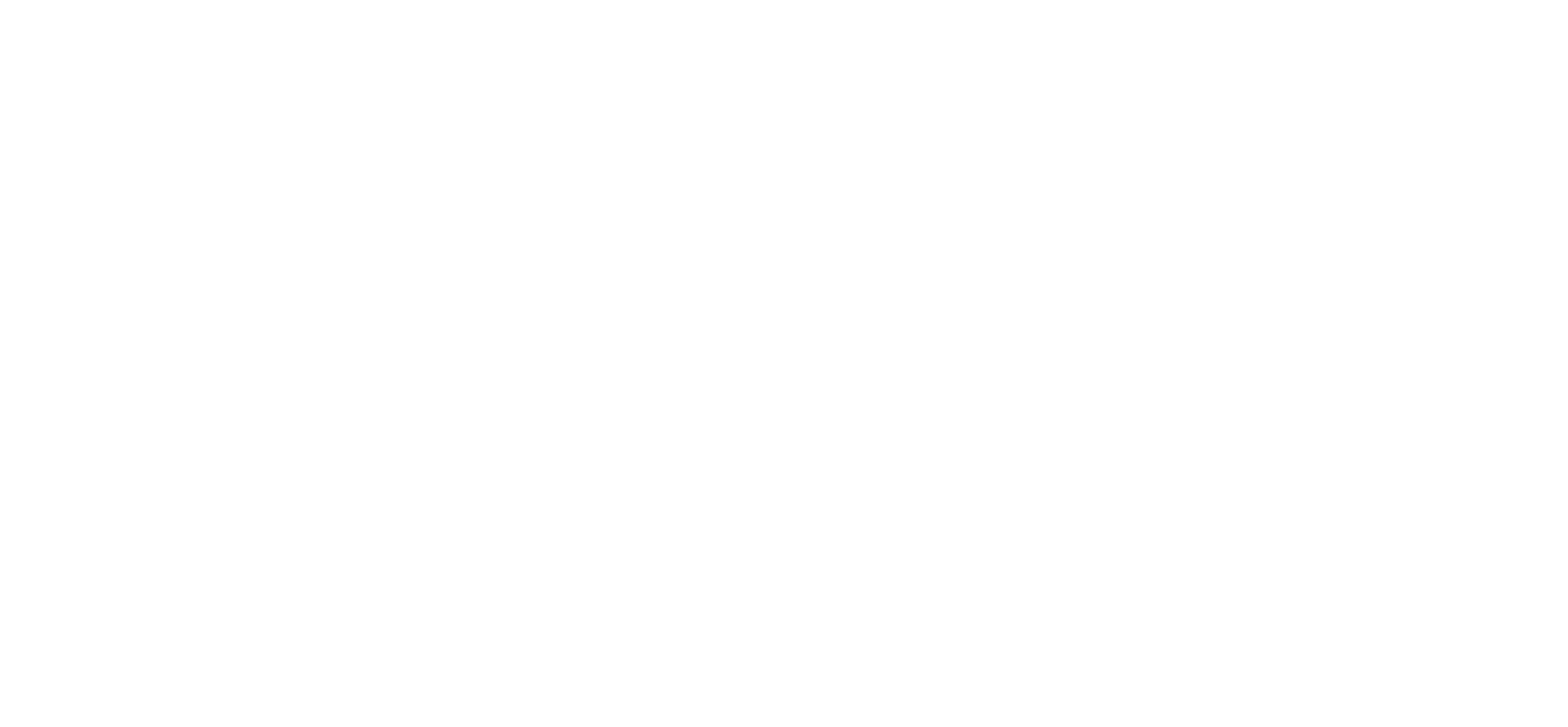
The latest EMA event, kindly hosted by the National Theatre and sponsored by SystemsLink, brought together energy and sustainability professionals to explore the role of AI in energy management, alongside practical insights into sustainability at one of London’s most iconic buildings.
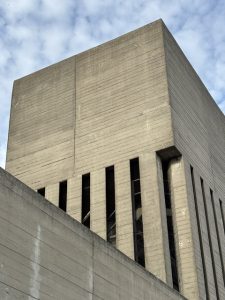
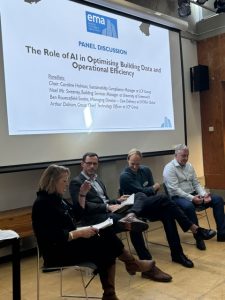 The meeting opened with a discussion on how AI is changing the way building and operational data can be collected, analysed and used by energy and carbon managers. The session explored the potential for AI driven tools and analytics to support building management, improve operational efficiency, identify opportunities to reduce energy consumption and enable more informed and consistent decision making.
SystemsLink introduced their scalable and sustainable AI - dAIsy, and explored the practical role it could play in the working lives of energy managers. Rather than replacing professional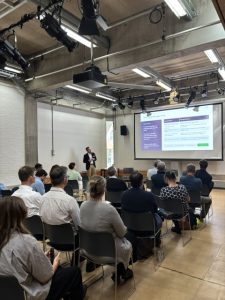 expertise, AI can help reduce routine and repetitive tasks, make large volumes of data easier to interpret and prioritise areas requiring attention.
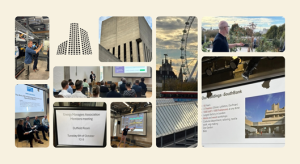
The National Theatre team provided an insight into the sustainability and energy management challenges of a unique 50-year-old building. Far more than a performance venue, the National Theatre is a complex operational environment incorporating three theatres, workshops, offices, restaurants, kitchens, rehearsal and studio spaces, archives, retail and extensive technical infrastructure. With around 1,000 staff and a similar number of freelancers, its activities have led to the building being described as one of the largest "factories" in central London.
The team outlined its work across energy and carbon reduction, building performance and decarbonisation, sustainable production, circularity, waste, procurement, biodiversity and staff engagement. With annual electricity consumption of approximately 5,800 MWh, the site presents both significant energy management challenges and opportunities.
Particular insights included the use of detailed energy and water monitoring to identify operational inefficiencies, the challenges of improving the performance of a 50-year-old building, the wider energy implications of theatrical lighting and the importance of considering whole system impacts when introducing new technologies.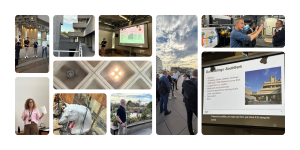 The presentation also highlighted the National Theatre's work to improve carbon accounting, increase the reuse of production materials and investigate future low carbon heating solutions.
The meeting concluded with a behind the scenes tour of the National Theatre. The tour provided an opportunity to see some of the building's technical infrastructure, workshops and production facilities first hand, bringing the presentations to life and demonstrating the scale and complexity of the organisation's operations.
The afternoon was a great combination of new technology, practical energy management insight and a fascinating look behind the day to day operations at the National Theatre, with plenty of opportunities for discussion and knowledge sharing among EMA members.
If you’re reading this and aren’t yet an individual or corporate member of the EMA, now is a great time to join us and get involved.
- Join the individual membership: https://www.theema.org.uk/ema-membership/
- Become a corporate partner and present at our next meeting: https://www.theema.org.uk/corporate-membership/
For all marketing opportunities, complete our interest form.
Be part of our energy management community, with opportunities to share experiences, learn from your peers, develop professionally and make valuable connections.